
The role of gambling in shaping cultural identities worldwide
The role of gambling in shaping cultural identities worldwide
The Historical Context of Gambling
Gambling has deep historical roots that extend back thousands of years, acting as a cultural touchstone in many societies. Ancient civilizations, such as the Chinese and Romans, utilized various forms of gambling for entertainment, religious rituals, and even decision-making. These early practices reflected the values and beliefs of the time, integrating gambling into social fabric and influencing how communities interacted with chance and luck. Today, platforms like 1xbetregistrationsomalia.com/login/ continue this tradition by providing modern gaming experiences that resonate with these long-standing cultural practices.
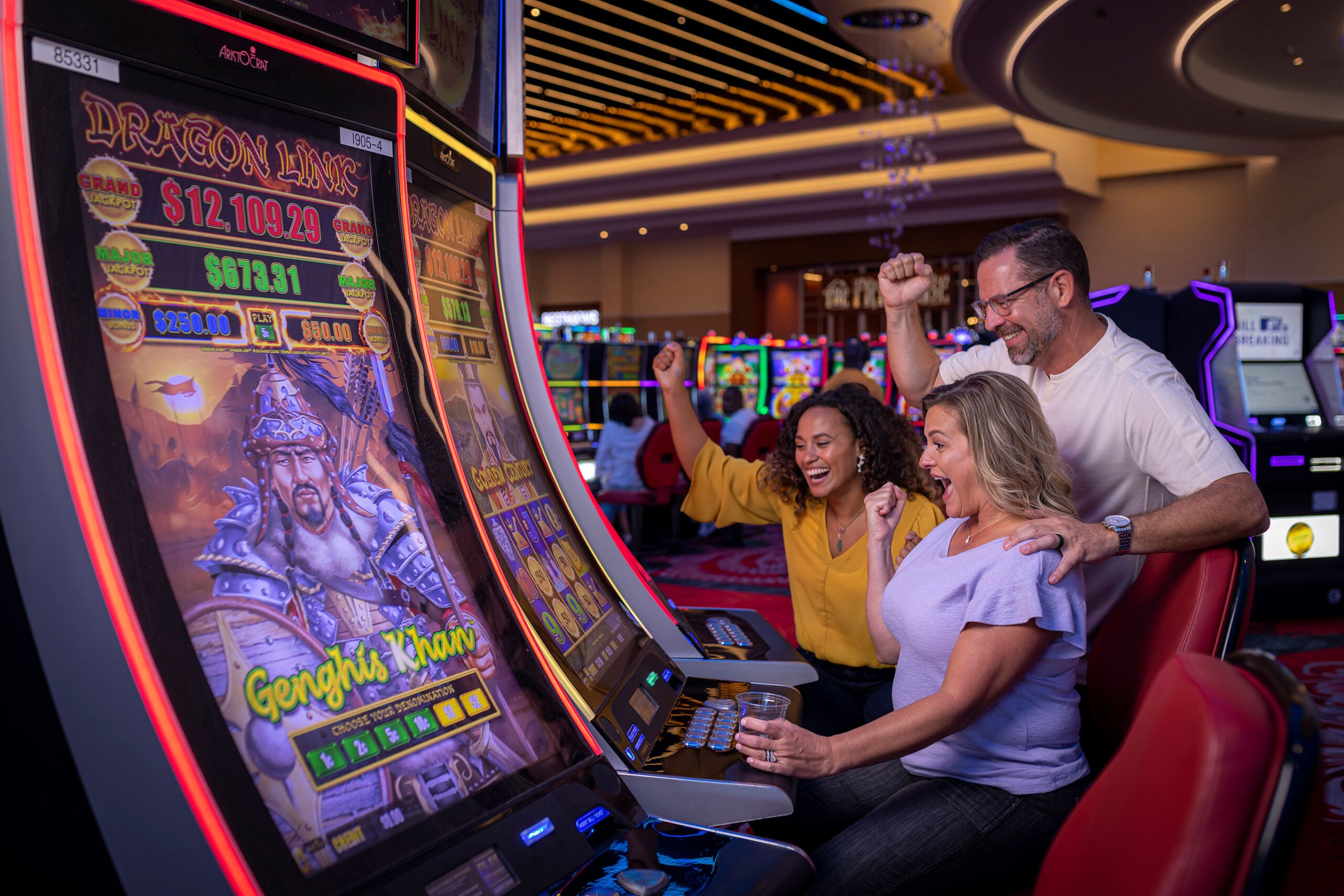
In many cultures, gambling was not merely a pastime but a means to forge connections and build communal identity. In ancient Greece, for instance, games of chance were often associated with festivals and religious observances, fostering a sense of belonging and shared experience among participants. This intertwining of gambling with cultural practices helped to establish a framework through which identity was both expressed and reinforced.
The evolution of gambling practices over time has also mirrored societal changes. As societies progressed through various political and economic stages, so too did their approaches to gambling. The transition from informal games to regulated state-run lotteries and casinos illustrates how gambling has continually adapted, reshaping cultural identities in response to shifting norms and values.
The Psychological Dimensions of Gambling
The psychology behind gambling is a complex tapestry of risk, reward, and community. Gamblers often seek not just financial gain but also a thrill that comes from the unpredictability of chance. This quest for excitement can act as a catalyst for forming social bonds, as people gather in casinos or around betting tables to share in the highs and lows of the experience. The psychological allure of gambling fosters a unique group dynamic that can significantly impact cultural identity.
Furthermore, the psychological aspects of gambling can shape individual and collective identities. Many gamblers develop a sense of loyalty to particular games, betting strategies, or even brands, which can enhance their personal identity. This sense of belonging to a particular gambling culture — be it poker, sports betting, or traditional games — allows individuals to define themselves against a larger social backdrop, creating communities around these identities.
It is also important to consider the darker side of gambling psychology. Issues such as addiction can strain personal relationships and alter cultural perceptions of gambling, leading to stigma in some societies. As communities grapple with these challenges, their cultural identity may shift, reflecting a more cautious or critical view of gambling’s role in society.
Gambling as a Reflection of Economic Structures
The relationship between gambling and economic structures plays a pivotal role in shaping cultural identities across the globe. In economically prosperous regions, gambling is often embraced as a legitimate form of entertainment and an avenue for social interaction. Places like Las Vegas or Monaco epitomize this phenomenon, where gambling is intricately woven into the local culture, driving tourism and economic growth while influencing social behaviors and norms.
Conversely, in areas where the economy struggles, gambling may be seen as a desperate gamble for financial stability. Communities might develop a culture of gambling that reflects a survival mentality, where individuals place hope in chance as a means of escape from economic hardship. This dynamic can create a cultural identity centered around risk-taking and resilience, redefining what it means to engage with gambling.
Moreover, the commercialization of gambling through online platforms has also altered economic perceptions. As access to gambling increases, it becomes a normalized part of life for many, influencing cultural attitudes and behaviors. The blend of gambling with technology showcases how contemporary cultures are adapting to new economic realities, further complicating the narrative surrounding gambling and identity.
The Global Diversity of Gambling Practices
The cultural identity surrounding gambling varies widely across the globe, reflecting the diverse beliefs, traditions, and legal frameworks of different societies. In some cultures, such as in parts of Asia, gambling is steeped in tradition and often linked to historical practices and spiritual beliefs. Games like Mahjong and Sic Bo are not just forms of entertainment but are integral to family gatherings and social rituals, emphasizing connection and cultural heritage.
In stark contrast, other cultures may view gambling through a more critical lens. For example, many Middle Eastern countries impose strict regulations or outright bans on gambling, often due to religious beliefs that view chance as contrary to moral values. This creates a distinct cultural identity that prioritizes ethical considerations over the recreational aspects of gambling, setting these societies apart from those that embrace a more relaxed attitude.
The contrast in global gambling practices showcases how cultural identities are both influenced by and, in turn, influence gambling behaviors. Understanding these variations is crucial for recognizing the complex interplay between gambling and cultural identity, as each society negotiates its relationship with chance and luck through its unique lens.
The Role of Online Gambling Platforms
Online gambling platforms have dramatically reshaped how individuals engage with gambling, offering unprecedented access and convenience. These platforms allow users to participate in various games and betting activities from the comfort of their homes, removing geographical barriers and democratizing access to gambling. This shift has significant implications for cultural identities as traditional notions of community and social interaction around gambling are transformed.
The convenience of online gambling has fostered new communities and subcultures centered around virtual gaming. Gamers from different backgrounds can come together in online forums, sharing strategies and experiences, thus creating a hybrid cultural identity that transcends national borders. This new dynamic highlights the global nature of gambling today and how it can serve as a unifying force amid diverse cultural perspectives.
However, the rise of online gambling also brings challenges. Issues such as problem gambling have become more visible, prompting a reevaluation of how society views gambling in the digital age. The ease of access can lead to addiction and financial strain, sparking discussions about responsibility and the need for protective measures. As societies navigate these complexities, the role of online gambling platforms in shaping cultural identities will continue to evolve.